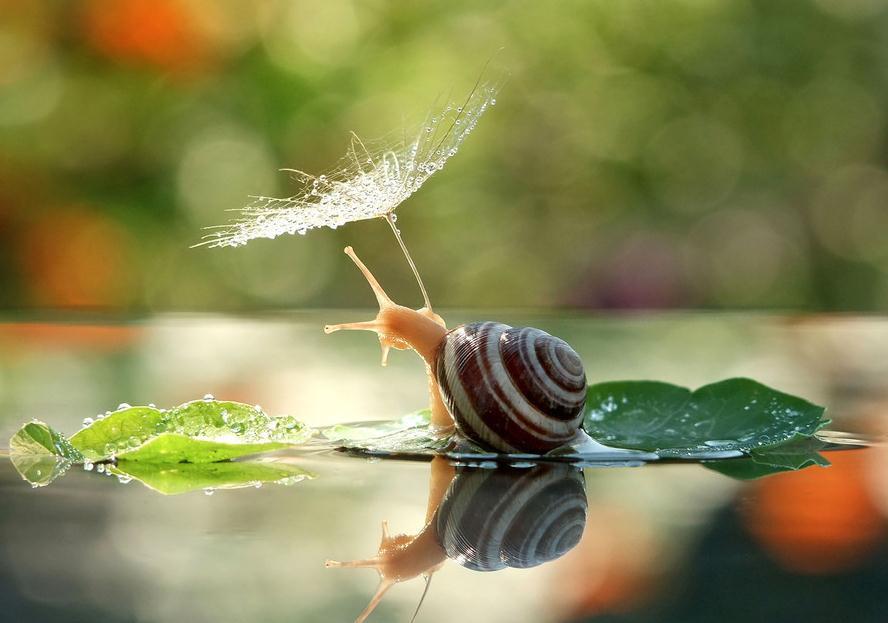
The second teaching that Krishna gives is called bhakti yoga, and this explains how to use the emotional brain, related with the heart.
Karma Yoga
The first teaching that Krishna gives in The Bhavagad-gita is how to act, how to use your skill, your energy, your body, to act; this is called karma yoga, which is simply how to behave, how to work, how to be engaged in the world, how to take care of responsibilities, how to perform any action — even mentally or emotionally, not just with the hands, the body.
Yoga Defined
(Sanskrit योग) “union.” Similar to the Latin “religare,” the root of the word “religion.” In Tibetan, it is “rnal-‘byor” which means “union with the fundamental nature of reality.”
Yoga in a generic sense refers to karma yoga, bhakti yoga, raja yoga, jnana yoga, hatha yoga, mantra yoga, laya yoga, or kundalini yoga. In a restricted sense, it means the ashtanga yoga or raja yoga of Patanjali Maharshi.
The word yoga means in general to join one’s mind with an actual fact. The 14th Dalai Lama
The word yoga comes from the root Yuj which means to join, and in its spiritual sense, it is that process by which the human spirit is brought into near and conscious communion with, or is merged in, the Divine Spirit, according as the nature of the human spirit is held to be separate from (Dvaita, Visishtadvaita) or one with (Advaita) the Divine Spirit. Swami Sivananda, Kundalini Yoga
Patanjali defines Yoga as the suspension of all the functions of the mind. As such, any book on Yoga which does not deal with these three aspects of the subject, viz., mind, its functions and the method of suspending them, can be safely laid aside as unreliable and incomplete. Swami Sivananda, Practical Lessons in Yoga
Proserpine
“Proserpine, the Queen of the Infernos, is also Hekate, the Blessed Goddess Mother Death under whose direction works the Angels of Death.” – Samael Aun Weor, The Esoteric Treatise of Hermetic Astrology
“DAUGHTER of Jove, almighty and divine,
Come, blessed queen, and to these rites incline:
Only-begotten, Pluto’s honor’d wife,
O venerable Goddess, source of life:
‘Tis thine in earth’s profundities to dwell,
Fast by the wide and dismal gates of hell:
Jove’s holy offspring, of a beauteous mien,
Fatal, with lovely locks, infernal queen:
Source of the furies, whose blest frame proceeds
From Jove’s ineffable and secret seeds:
Mother of Bacchus, Sonorous, divine,
And many-form’d, the parent of the vine:
The dancing Hours attend thee, essence bright,
All-ruling virgin, bearing heav’nly light:
Illustrious, horned, of a bounteous mind,
Alone desir’d by those of mortal kind.
O, vernal queen, whom grassy plains delight,
Sweet to the smell, and pleasing to the sight:
Whose holy form in budding fruits we view,
Earth’s vig’rous offspring of a various hue:
Espous’d in Autumn: life and death alone
To wretched mortals from thy power is known:
For thine the task according to thy will,
Life to produce, and all that lives to kill.
Hear, blessed Goddess, send a rich increase
Of various fruits from earth, with lovely Peace;
Send Health with gentle hand, and crown my life
With blest abundance, free from noisy strife;
Last in extreme old age the prey of Death,
Dismiss we willing to the realms beneath,
To thy fair palace, and the blissful plains
Where happy spirits dwell, and Pluto reigns.” —Orphic Hymns